A flat glass plate reconstructs light from a still life. Move sideways and the objects reveal a different view, as though you were looking through a window.
TRY THIS
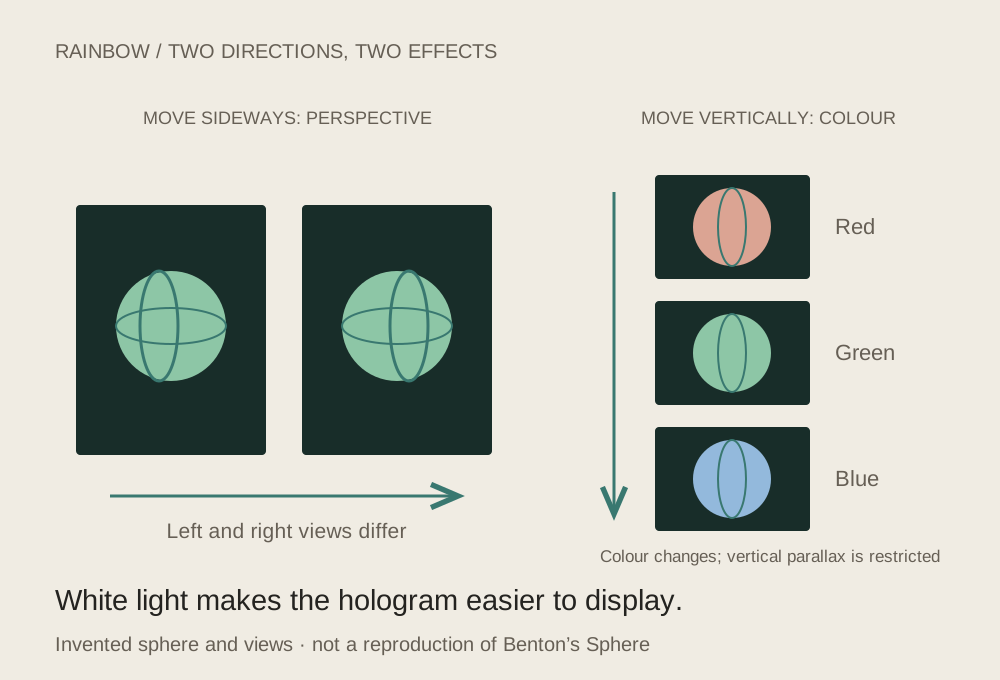
Open Fisher’s photograph of Optical Interactions and identify the sphere, lenses and mirrors. A photograph preserves one viewpoint. At the physical hologram, move sideways within its viewing zone: nearby and distant details shift relative to one another. This change is called parallax.
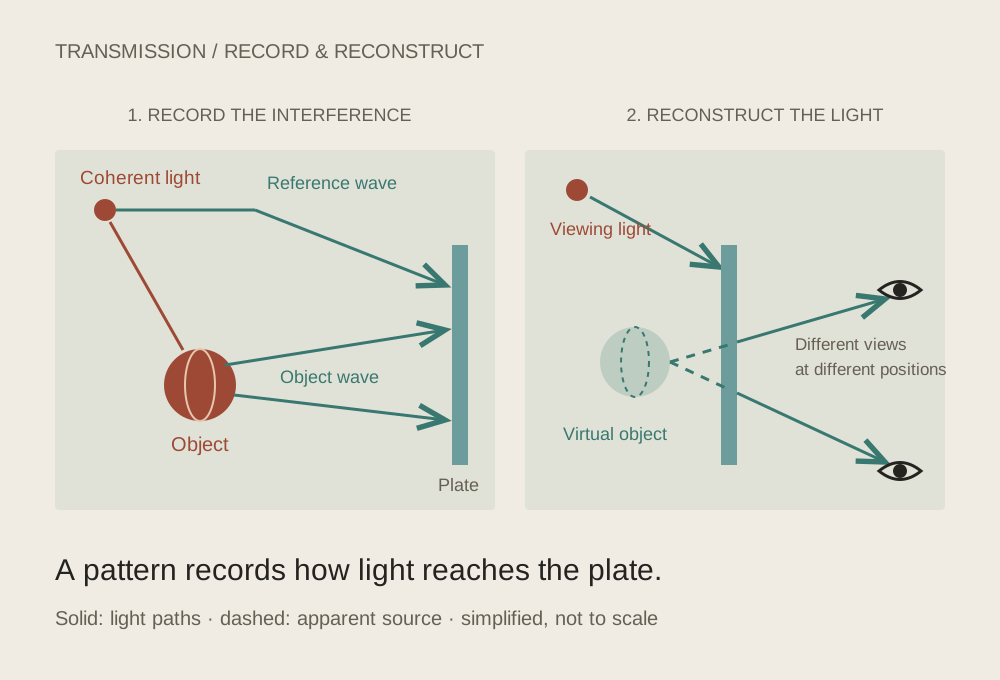
Original explanatory diagram created for Through Mirror. It illustrates the optical principle and is not a photograph of a performance or installation. Gallery previews may be resized or converted to WebP; animated previews show the first frame.
What is Transmission holography — Optical Interactions?
A flat glass plate reconstructs light from a still life. Move sideways and the objects reveal a different view, as though you were looking through a window.
What should I look for in Transmission holography — Optical Interactions?
Open Fisher’s photograph of Optical Interactions and identify the sphere, lenses and mirrors. A photograph preserves one viewpoint. At the physical hologram, move sideways within its viewing zone: nearby and distant details shift relative to one another. This change is called parallax.
What explains Transmission holography — Optical Interactions?
During recording, coherent light scattered by the object meets a reference beam at the plate. Their interference pattern encodes the object wave’s amplitude and its phase relative to the reference. During viewing, suitably directed laser light passes through the developed hologram and is diffracted into a reconstructed wavefront. Different viewing positions receive different perspectives of the recorded scene.
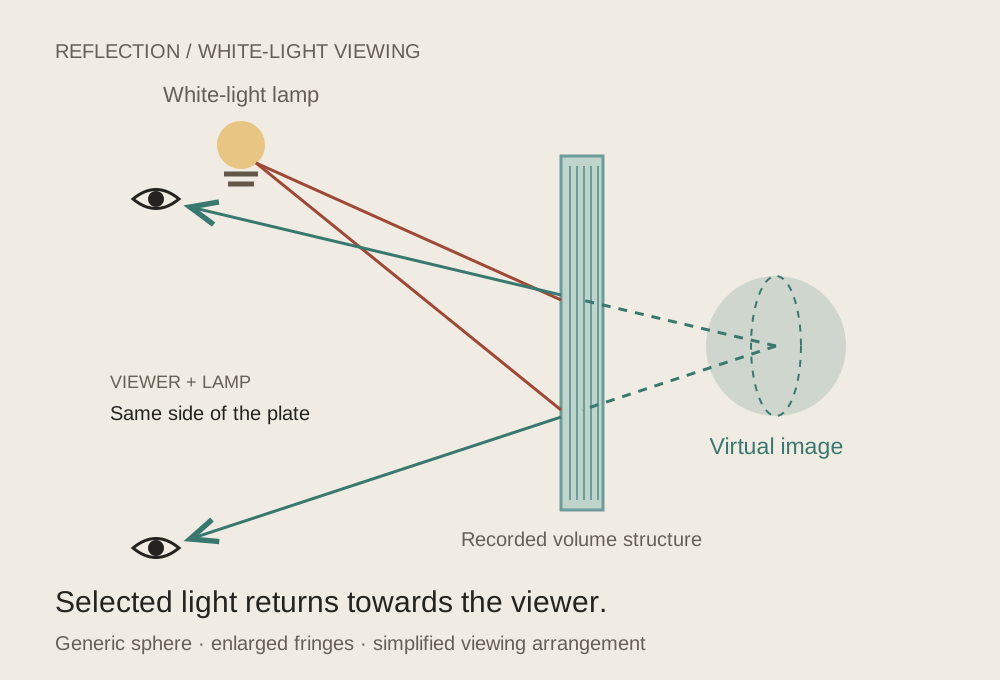
A lamp illuminates a flat plate and an image appears to occupy depth. The light returns towards the viewer from a recorded structure inside the holographic material.