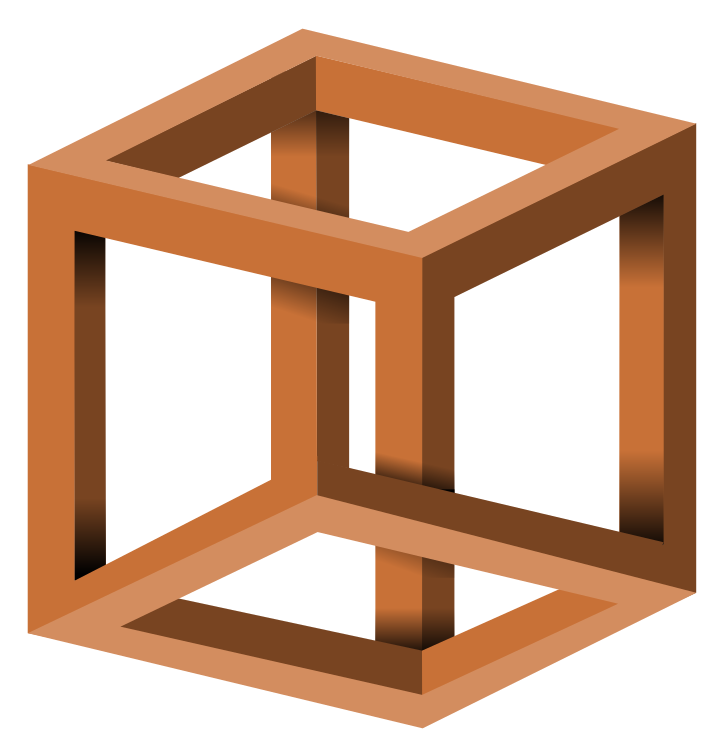
The Dutch printmaker who made stairs climb forever, hands draw themselves, and separate worlds share the same room. His woodcuts and lithographs turn perspective, reflection and repeating patterns into visual stories.
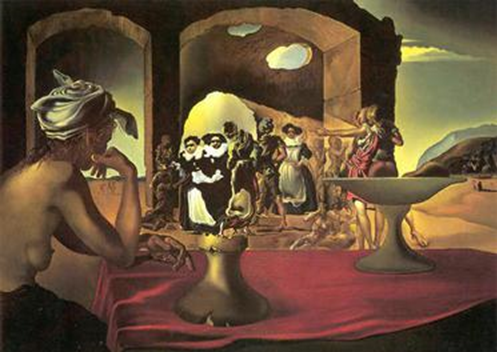
The Spanish Surrealist made figures, reflections and blocks of colour carry more than one image. Look for hidden faces and forms that change meaning with distance.
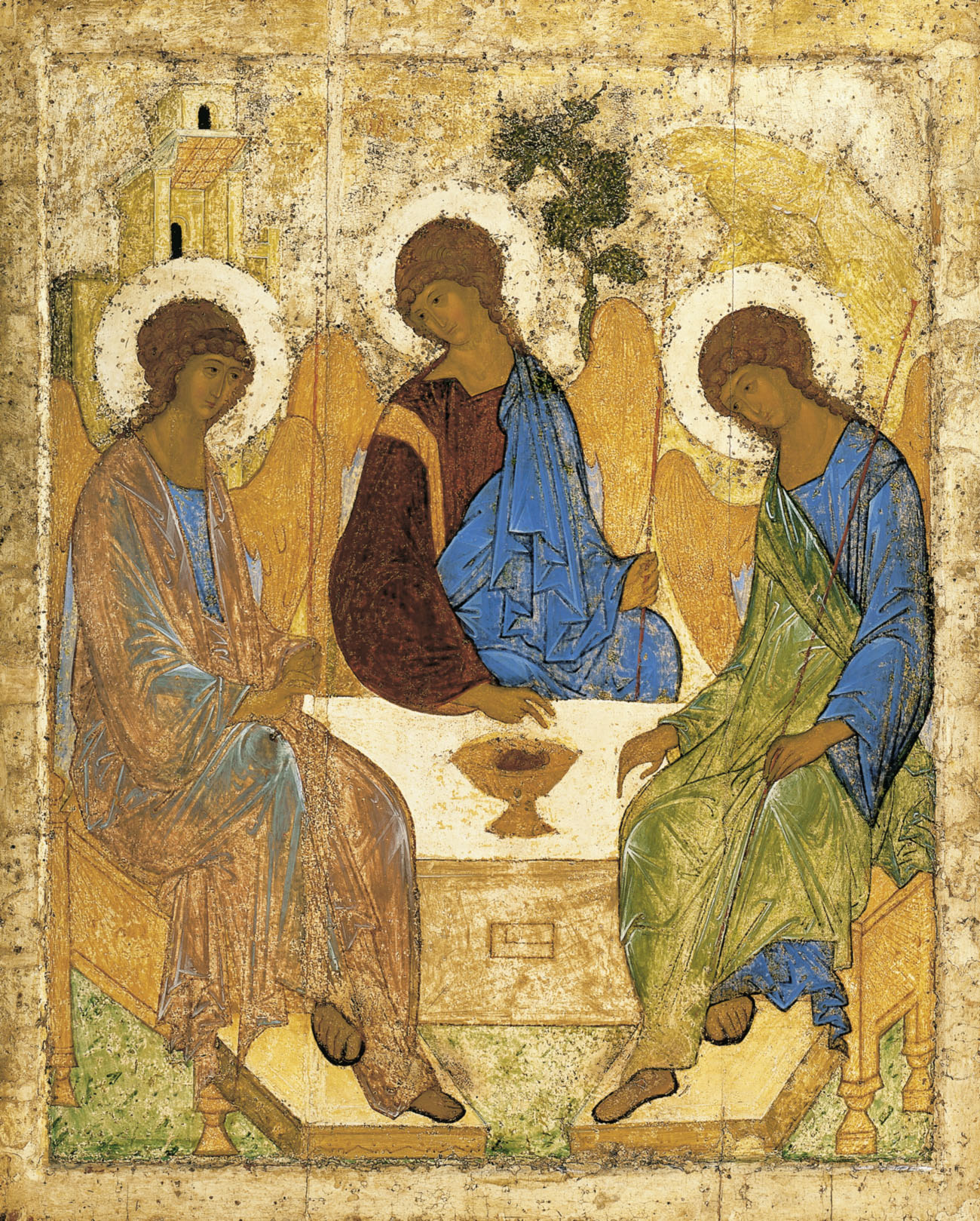
His icons organise sacred space through local viewpoints and inverse perspective. Furniture can open towards the viewer without following a single distant vanishing point.
Dates, collections, image credits, and historical sources are on each artwork page. A photograph records one view of an architectural illusion; it does not reproduce its complete physical setting.
Frequently asked questions
Which artists are known for optical illusions?
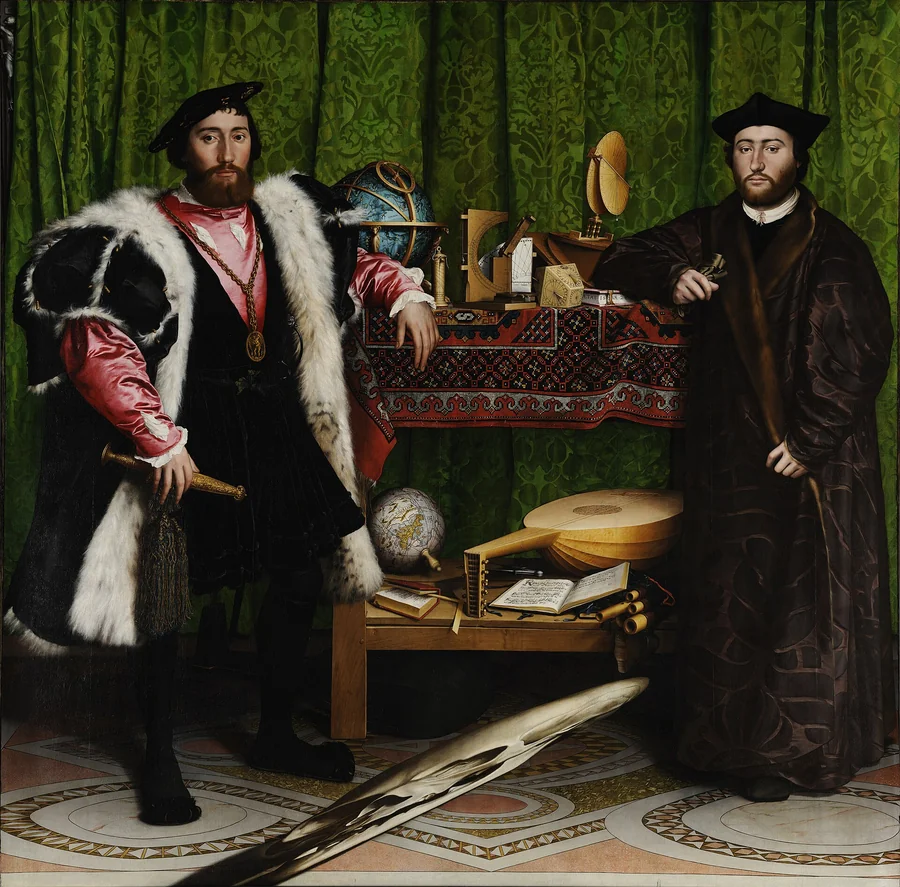
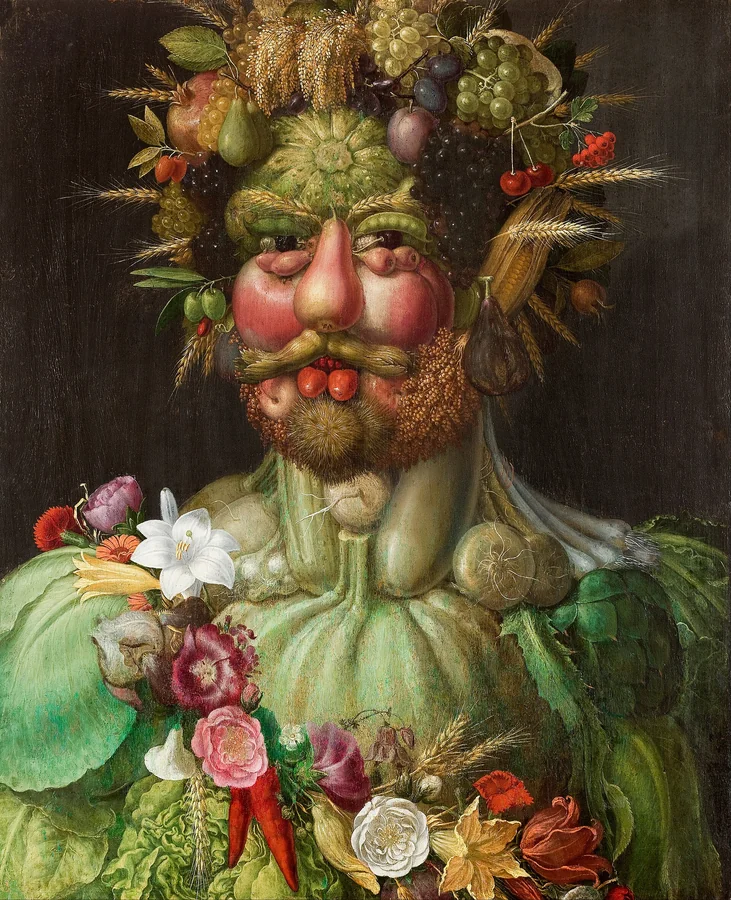
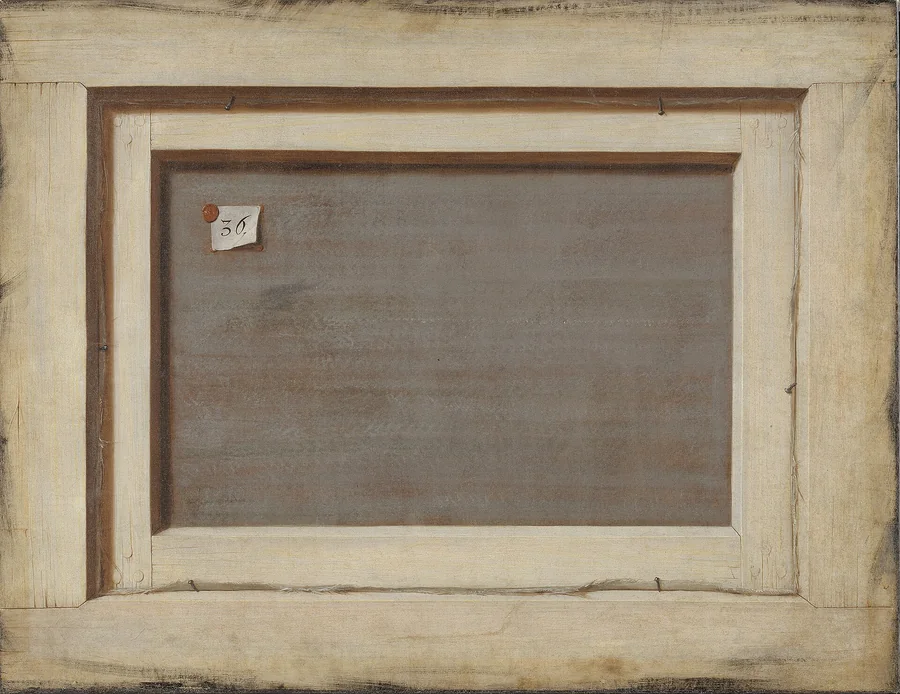
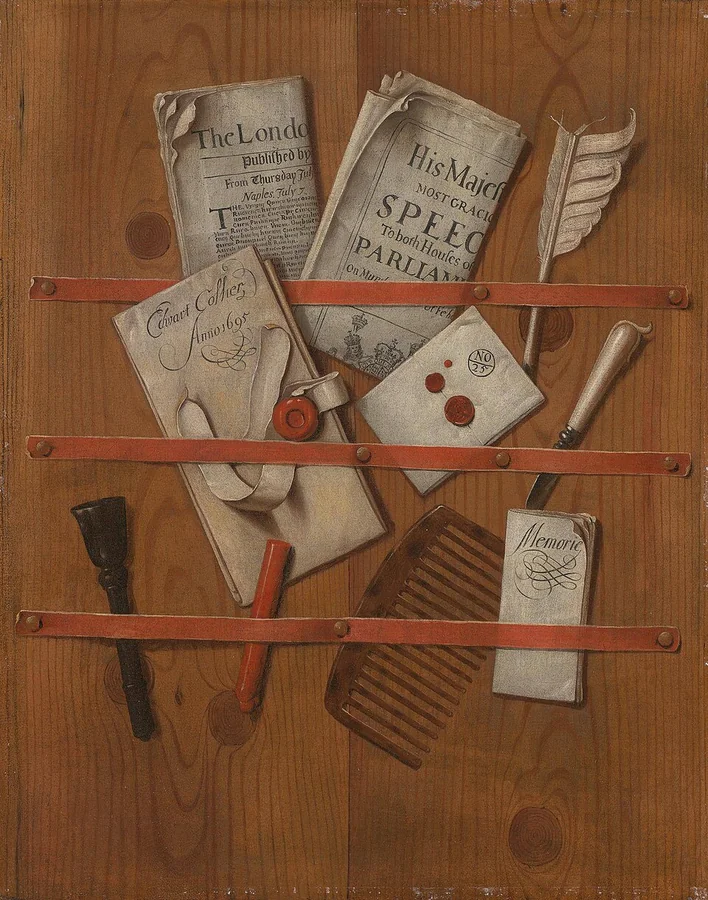
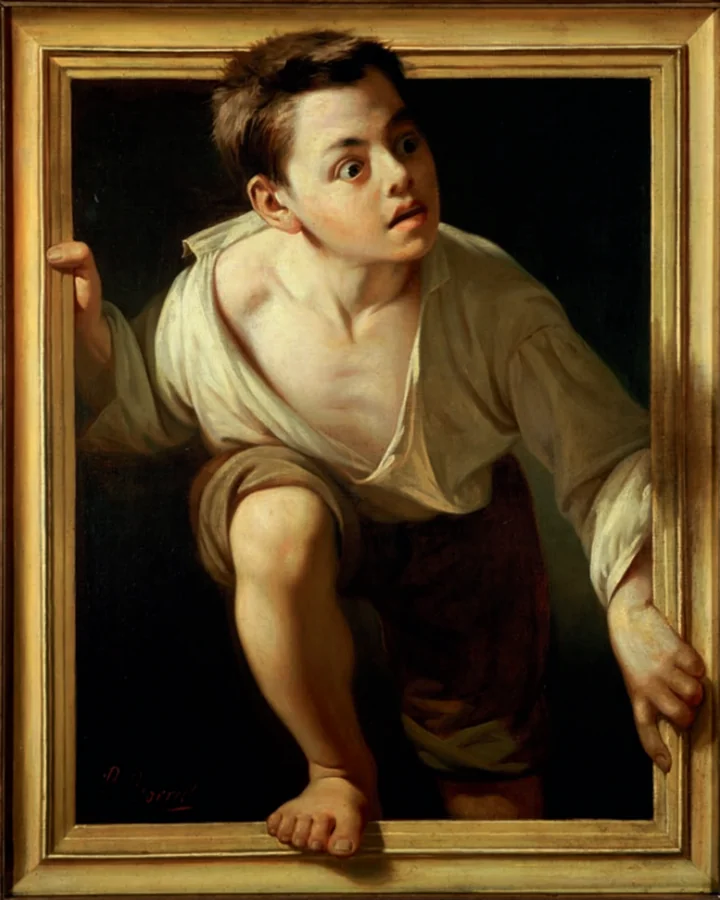
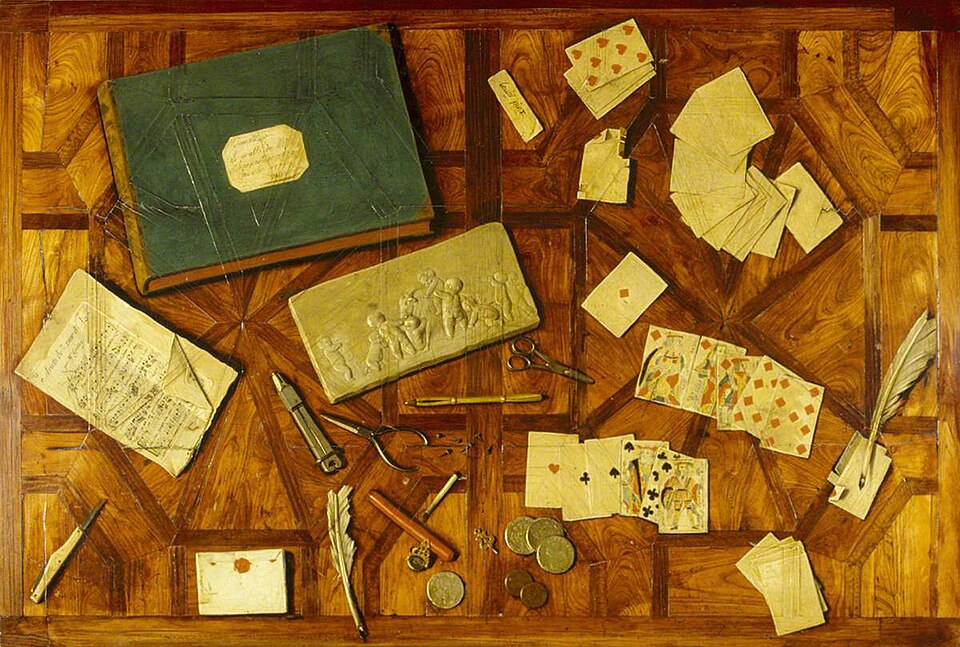
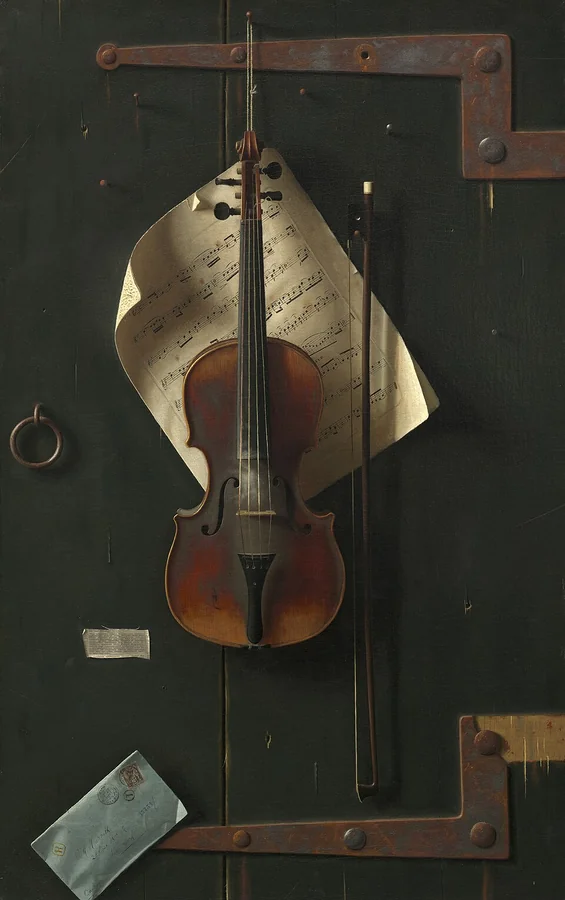
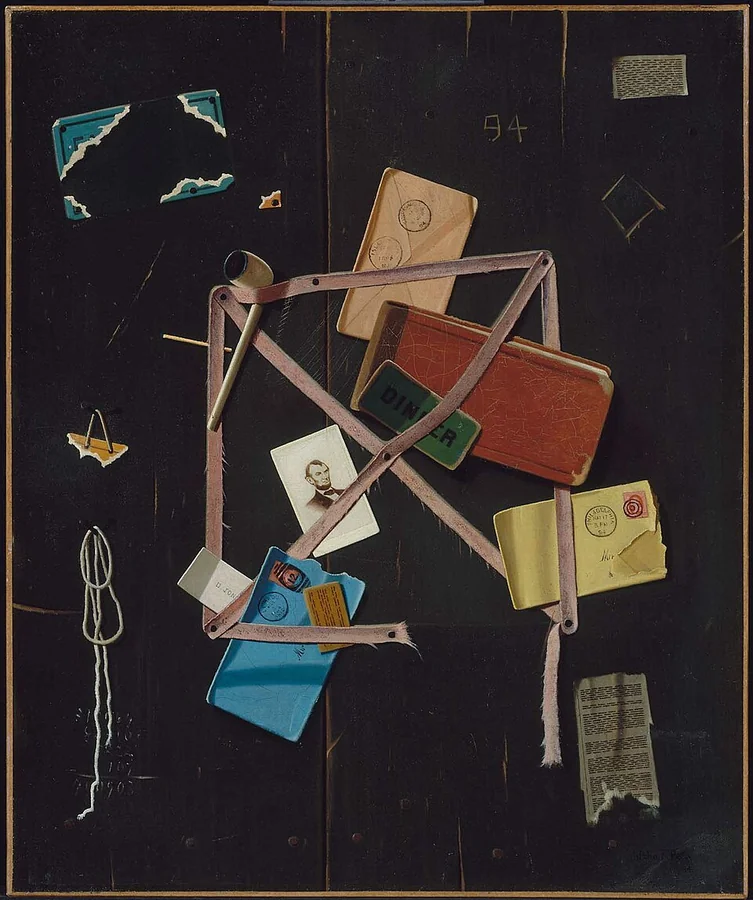
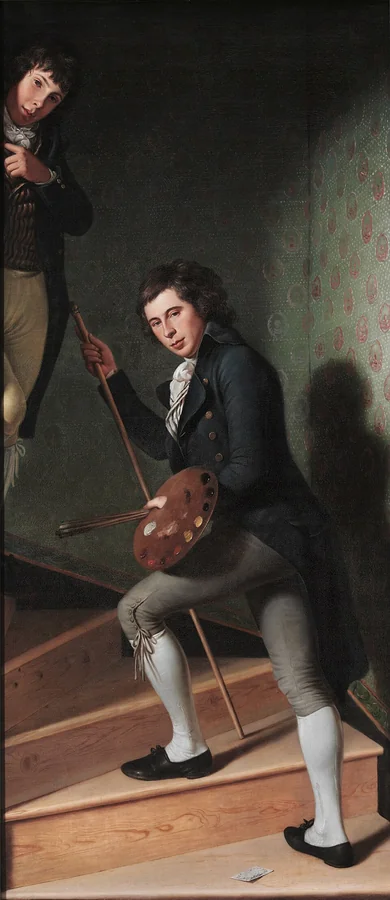
This collection includes M. C. Escher, Salvador Dalí, Giuseppe Arcimboldo, Hans Holbein the Younger and trompe-l’œil painters such as Cornelis Norbertus Gijsbrechts and William Michael Harnett. Their work explores different forms of visual illusion.
Where can I learn about individual illusion artworks?
Open an artwork from an artist’s listing for its image or official reproduction link, historical context, viewing instructions, explanation and sources. The Escher guide includes twelve museum reproductions, image downloads and links to the museum’s stories.
How do Salvador Dalí’s optical illusions work?
Dalí’s double images let figures, reflections or colour blocks form more than one subject. Swans become elephants in a reflection, people form Voltaire’s face, and a view of Gala becomes Lincoln’s portrait when seen from farther away.