Transmission holography — Optical Interactions
Gary Fisher · Optical Interactions
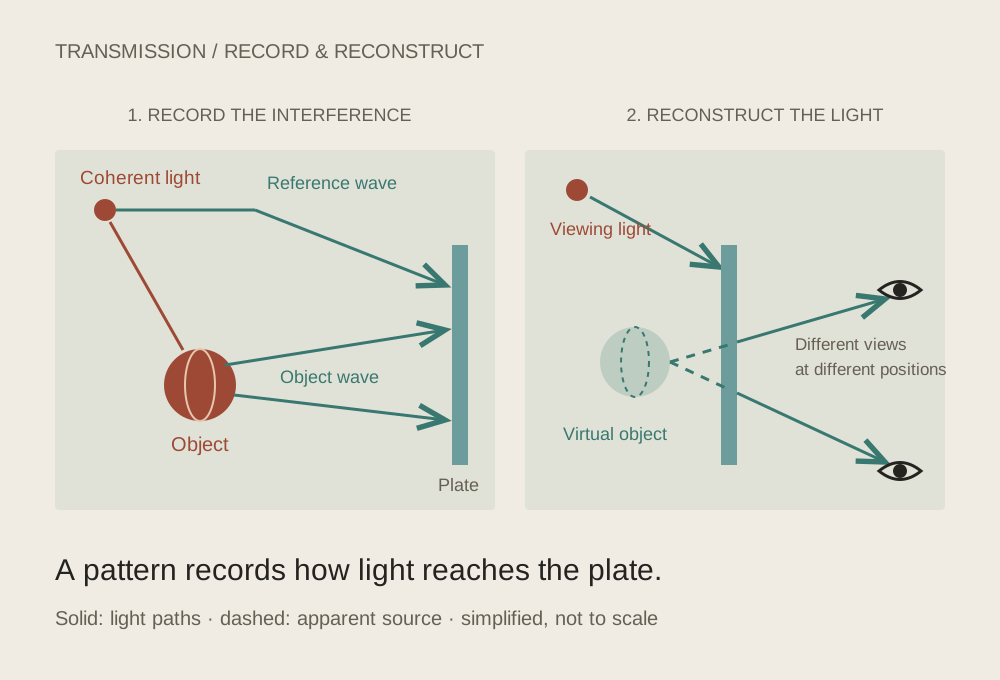
A flat glass plate reconstructs light from a still life. Move sideways and the objects reveal a different view, as though you were looking through a window.
Explore a surviving phantasmagoria lantern ↗
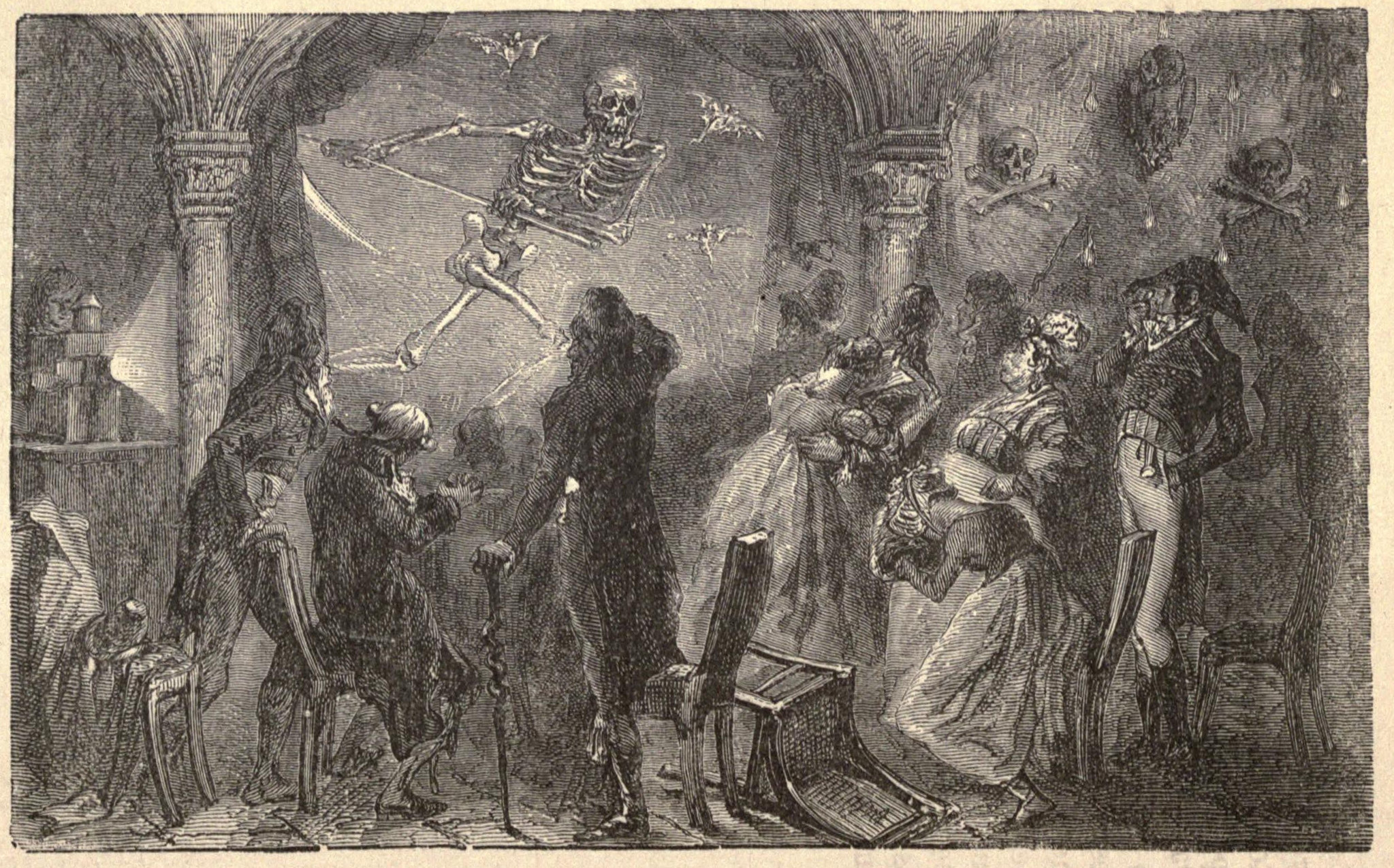
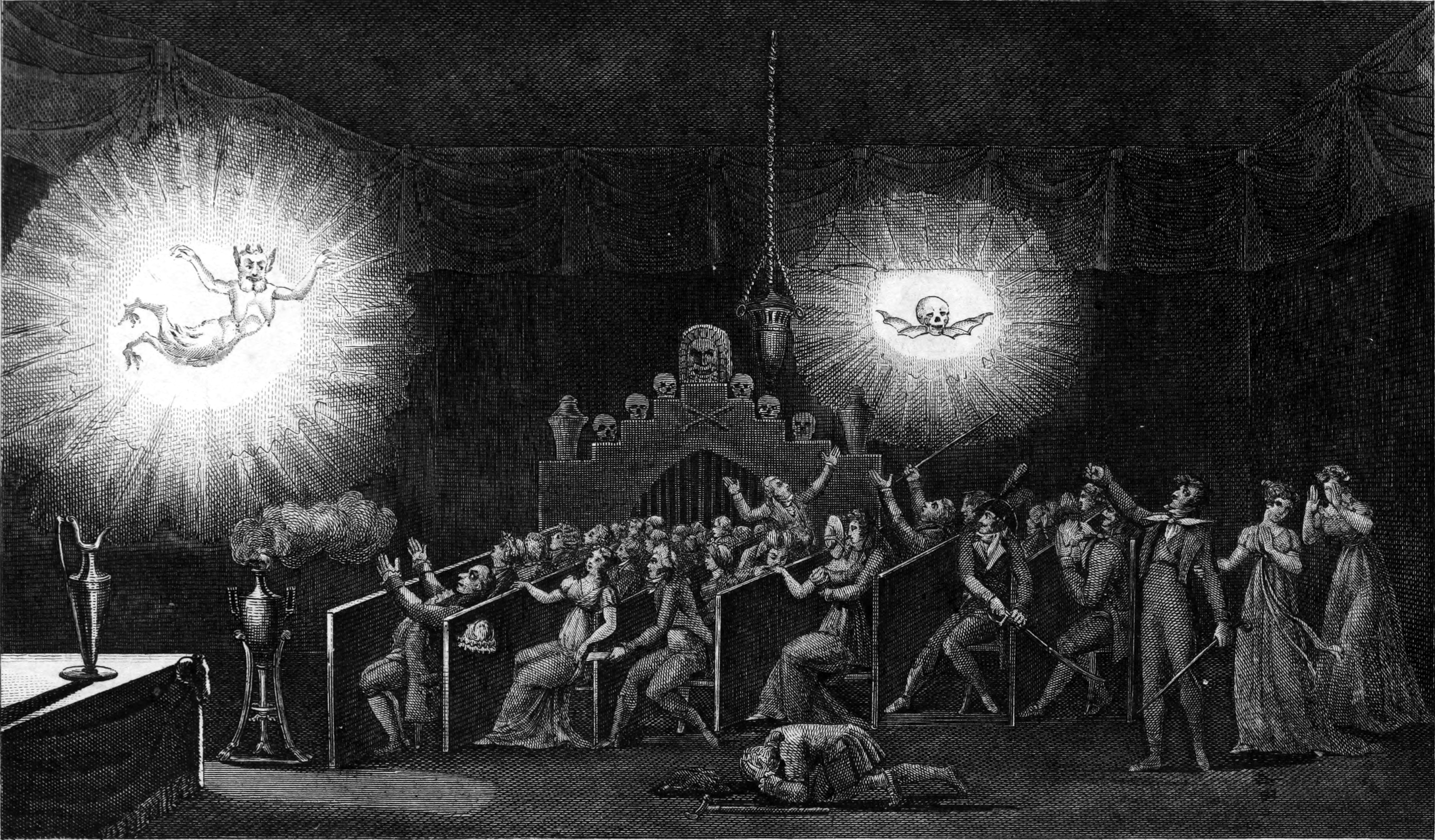
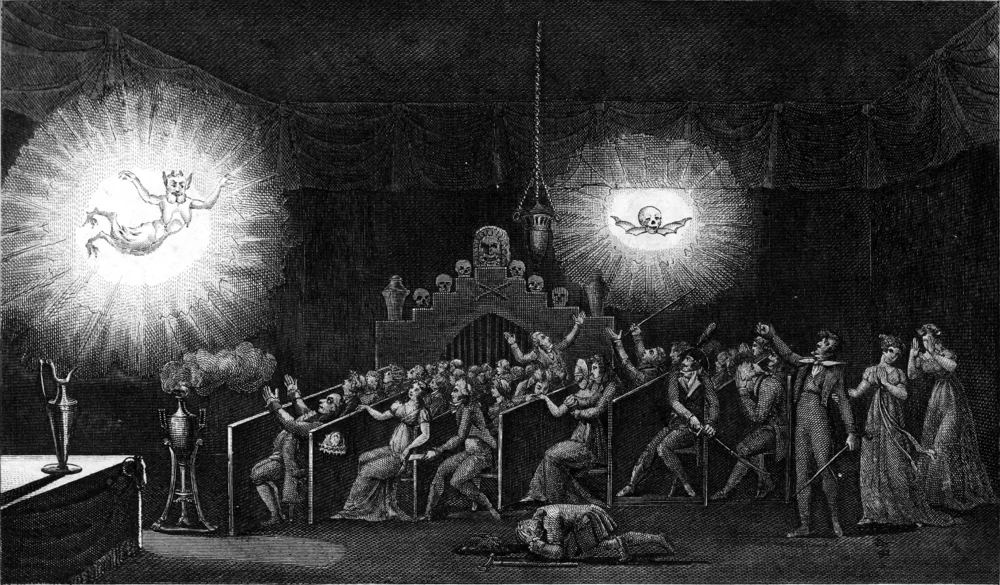
Ghosts and skeletons appear in darkness, grow larger and seem to approach the audience. Hidden magic lanterns turn painted slides into an unsettling moving spectacle.
Look at the lantern operators, the apparition and the spectators in the engraving. Imagine the illuminated image growing as the lantern moves away from its screen. Compare this projected ghost with the reflected figure in Pepper’s Ghost.
Étienne-Gaspard Robert (designer & publisher), Lejeune (engraver)
Original file & attribution · Public domain
Original image downloaded from Wikimedia Commons; the downloaded file is unchanged. Gallery previews may be resized or converted to WebP; animated previews show the first frame.
Download imageGhosts and skeletons appear in darkness, grow larger and seem to approach the audience. Hidden magic lanterns turn painted slides into an unsettling moving spectacle.
Look at the lantern operators, the apparition and the spectators in the engraving. Imagine the illuminated image growing as the lantern moves away from its screen. Compare this projected ghost with the reflected figure in Pepper’s Ghost.
A lantern sends light through a painted slide and a lens onto a screen or another receiving surface. Rear projection can hide the apparatus. Moving the projector while adjusting focus changes the image’s size and suggests an approaching or retreating apparition. Pepper’s Ghost achieves apparent presence through reflection instead of lantern projection.
A flat glass plate reconstructs light from a still life. Move sideways and the objects reveal a different view, as though you were looking through a window.
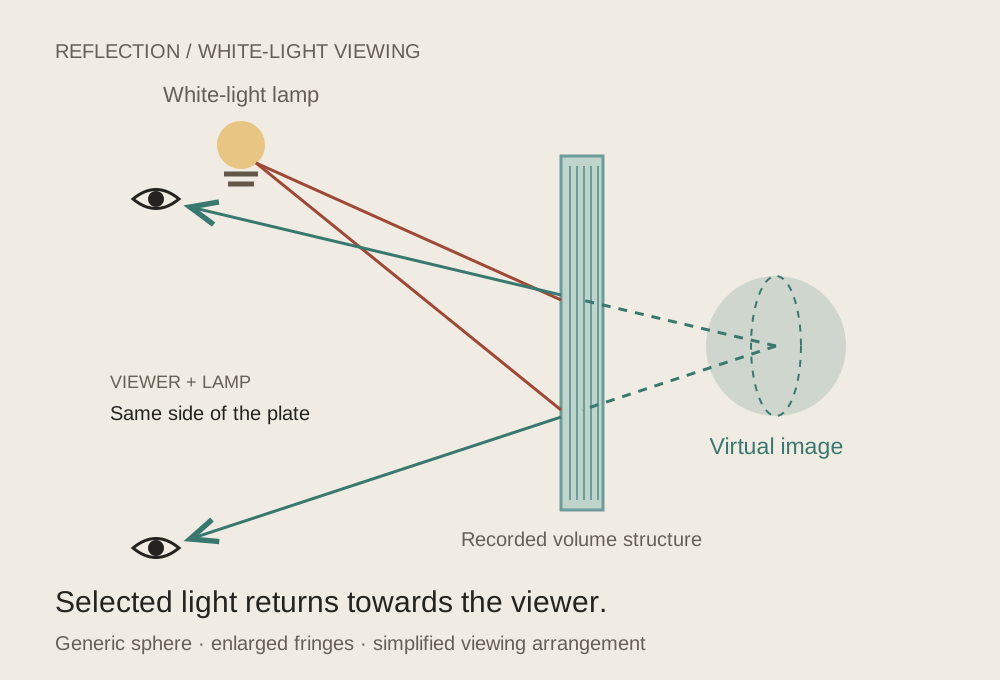
A lamp illuminates a flat plate and an image appears to occupy depth. The light returns towards the viewer from a recorded structure inside the holographic material.
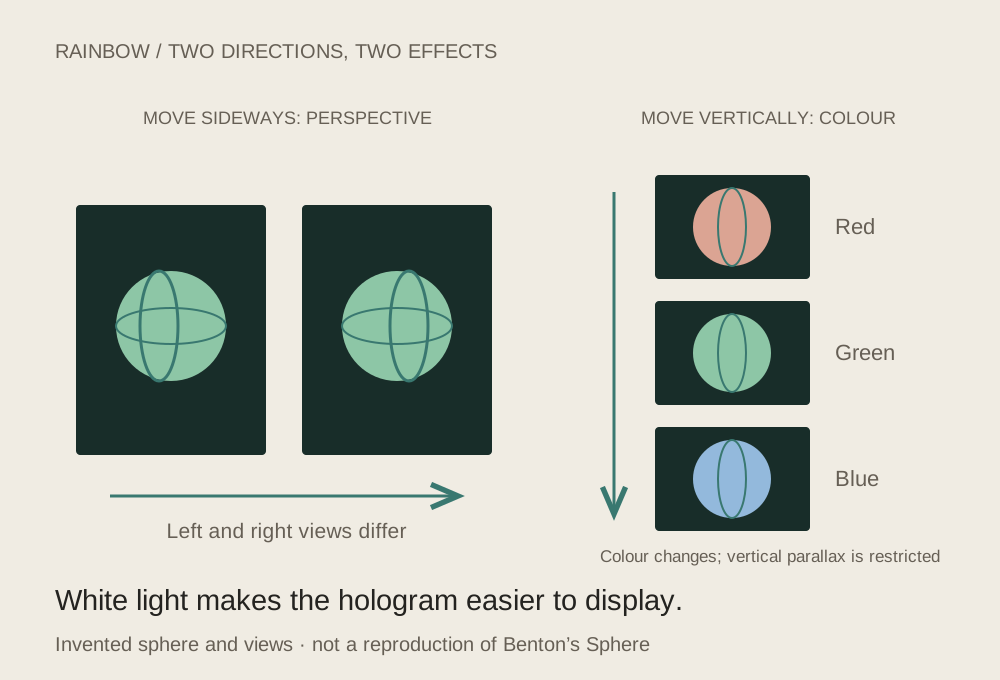
A hologram becomes visible in ordinary white light. Move sideways to explore depth; move vertically and its colour changes through the spectrum.